Dive into the science of learning and discover why AI courses, like those from Bitewize, offer a more personalized education for truly effective learning.
Welcome to the future of learning! For centuries, education has largely followed a 'one-size-fits-all' model, often leaving learners disengaged, frustrated, or simply not reaching their full potential. We've all been there – sitting through a lecture that doesn't quite click, struggling to remember facts for an exam, or feeling overwhelmed by a mountain of information. But what if there was a better way? A way rooted in how our brains actually learn?
At Bitewize, we believe in unlocking that potential, and the secret lies at the intersection of the science of learning and cutting-edge artificial intelligence. This isn't just about buzzwords; it's about fundamentally understanding cognitive processes and leveraging AI to create learning experiences that are not only more engaging but demonstrably more effective. In this comprehensive guide, we'll explore the core principles of the science of learning and reveal why AI-generated courses aren't just a trend, but a revolutionary leap forward in personalized education, leading to truly effective learning.
The Traditional Learning Quandary: Why It Often Falls Short
Before we dive into the transformative power of AI, let's briefly consider the limitations of conventional learning environments. While they have served us for generations, they often struggle with inherent challenges:
Passive Information Reception: Lectures and textbooks often treat learners as passive recipients, expecting them to absorb information without active engagement. This contradicts how memory formation works best.
One-Size-Fits-All Approach: A single curriculum, pace, and teaching method can't cater to the diverse needs, prior knowledge, and learning styles of every individual. Some find it too slow, others too fast, many feel alienated.
Delayed and Generic Feedback: Feedback is often slow, general, and sometimes insufficient, making it hard for learners to understand why they made mistakes and how to improve.
Lack of Personalization: There's little opportunity to adapt content or difficulty based on individual progress, strengths, or weaknesses.
Inefficient Reinforcement: Review often happens sporadically, if at all, leading to rapid forgetting of learned material.
Limited Engagement: Monotonous delivery methods can stifle curiosity and motivation, turning learning into a chore rather than an exciting discovery.
These challenges highlight a critical need for an approach that is more dynamic, responsive, and deeply aligned with how the human brain acquires and retains knowledge. This is precisely where the science of learning provides the blueprint, and AI offers the ultimate toolkit.
Unpacking the Science of Learning: Cognitive Principles for Effective Learning
At its heart, the science of learning is an interdisciplinary field that draws from cognitive psychology, neuroscience, and educational research to understand how people learn. By applying these insights, we can design educational experiences that are naturally more potent. Here are some cornerstone principles:
1. Active Recall (Retrieval Practice)
What it is: Instead of passively rereading material, active recall involves actively retrieving information from memory. This could be answering questions, completing flashcards without looking at the answer, or trying to explain a concept in your own words.
Why it works: The act of retrieving information strengthens the memory trace, making it easier to recall in the future. It's like exercising a muscle – the more you use it, the stronger it gets. It also helps identify knowledge gaps more effectively than simply rereading.
How AI enhances it: AI-powered AI courses are masters of active recall. Platforms like Bitewize leverage AI to generate dynamic quizzes and interactive flashcards. Imagine a system that doesn't just ask you to recall facts, but adapts the difficulty of questions based on your previous performance, ensuring you're always challenged at the optimal level. This isn't just about testing; it's about learning through retrieval, a fundamental aspect of cognitive science learning.
2. Spaced Repetition
What it is: Spaced repetition is a learning technique that involves reviewing information at increasing intervals over time. Instead of cramming, you revisit topics just before you're about to forget them.
Why it works: Based on Hermann Ebbinghaus's work on the 'forgetting curve,' our memory degrades over time if not reinforced. Spaced repetition counteracts this by strategically re-exposing you to material, optimizing memory consolidation and long-term retention.
How AI enhances it: This is where AI truly shines. Manual spaced repetition is cumbersome. AI algorithms can precisely calculate the optimal time for you to review each piece of information, taking into account how quickly you've learned it, how many times you've seen it, and how challenging it was. Bitewize's AI uses sophisticated algorithms to schedule flashcard reviews and quiz questions, ensuring that the most challenging concepts are presented more frequently until mastered, while easier ones are spaced further apart. This intelligent scheduling makes learning incredibly efficient and boosts retention exponentially, leading to highly effective learning.
3. Interleaving
What it is: Instead of massing practice (e.g., studying all of one topic, then all of another), interleaving involves mixing different types of problems or topics within a single study session.
Why it works: Interleaving helps learners discriminate between different concepts and understand when to apply specific strategies. It forces the brain to constantly retrieve different solutions and adapt, leading to a deeper, more flexible understanding rather than rote memorization.
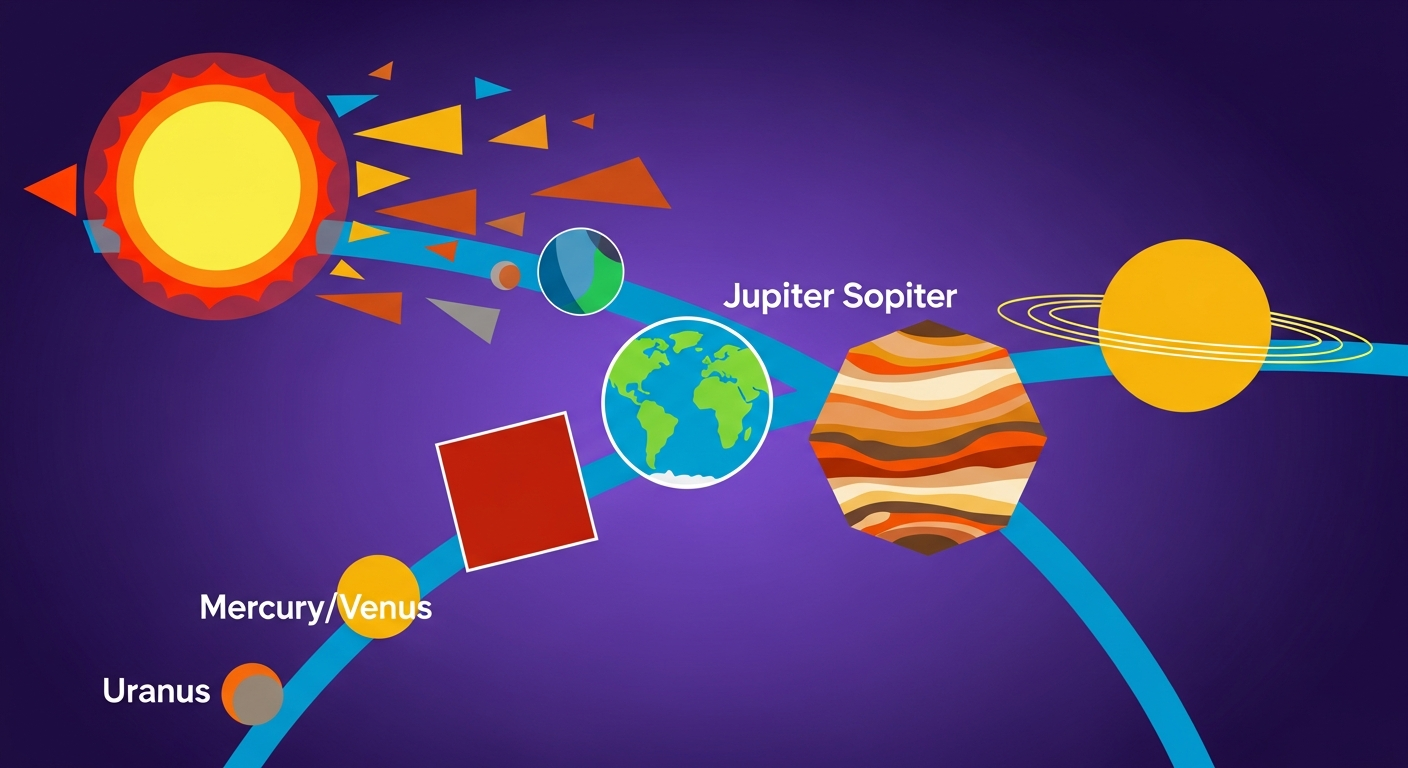
How AI enhances it: AI-generated AI courses can seamlessly interleave concepts from different but related modules within a single learning path. For instance, in a course like [Cosmic Crossroads: Navigating Our Solar System](/learn/cosmic-crossroads-navigating-our-solar-system), an AI could present a question about planetary orbits, followed by one on celestial body composition, and then a historical fact about space exploration. This dynamic mixing ensures that learners aren't just practicing one skill repeatedly but are actively engaging with the broader subject matter in a nuanced way, fostering a more robust and effective learning experience.
4. Elaboration and Connection-Making
What it is: Elaboration involves explaining and describing new information in your own words, connecting it to existing knowledge, and thinking about how and why things work.
Why it works: When you elaborate, you actively process information, forming more pathways and associations in your brain. This makes the information more meaningful and easier to retrieve later. The deeper the processing, the stronger the memory.
How AI enhances it: While AI can't force elaboration, it can powerfully prompt and facilitate it. Bitewize's AI-generated content can include thought-provoking questions, scenario-based prompts, or even ask learners to summarize key takeaways after a segment. Through interactive quizzes, AI can provide feedback that guides learners to elaborate further, perhaps by suggesting related concepts or asking follow-up 'why' questions. Furthermore, by cross-referencing user learning profiles, AI can proactively suggest connections to topics the learner already understands, making personalized education a reality where new knowledge is always scaffolded upon existing frameworks.
5. Metacognition (Thinking About Thinking)
What it is: Metacognition is the awareness and understanding of one's own thought processes. It involves planning how to approach a learning task, monitoring understanding, and evaluating progress.
Why it works: Learners with strong metacognitive skills are more strategic, adaptive, and self-regulated. They understand their strengths and weaknesses, know when to seek help, and can adjust their learning strategies to be more effective.
How AI enhances it: AI-powered learning platforms provide rich data insights that foster metacognition. Bitewize, for example, can show learners detailed progress reports, identify areas where they consistently struggle, and even suggest study strategies. By presenting clear analytics on performance in quizzes or flashcard sessions, AI helps learners objectively assess their understanding. This objective feedback empowers learners to make informed decisions about how they learn, making their learning journey more deliberate and efficient, a cornerstone of cognitive science learning principles applied in practice.
6. Timely and Specific Feedback
What it is: Receiving immediate and precise information about the correctness of one's responses, along with explanations or guidance for improvement.
Why it works: Without feedback, learners can reinforce incorrect understandings or remain unaware of their mistakes. Timely and specific feedback allows for immediate correction and clarification, preventing the embedding of errors and guiding the learning process efficiently.
How AI enhances it: Traditional classrooms often struggle to provide instant, individualized feedback to every student. AI, however, excels here. Bitewize's AI-generated quizzes and practice problems offer instant feedback, not just telling you if you're right or wrong, but often providing explanations for the correct answer, hinting at where you went astray, or even linking to the relevant section of the course material for review. This immediate, targeted feedback loop is crucial for rapid improvement and deep understanding, making AI courses exceptionally good at fostering effective learning.
7. Minimizing Cognitive Load
What it is: Cognitive load refers to the total amount of mental effort being used in working memory. Effective learning design aims to minimize extraneous cognitive load (distractions, confusing instructions) and optimize germane cognitive load (mental effort directly related to understanding the material).
Why it works: Our working memory has limited capacity. Overloading it with too much information, poorly presented material, or distractions hinders the transfer of information to long-term memory.
How AI enhances it: AI-generated courses, especially in a microlearning format, are inherently designed to manage cognitive load. Bitewize focuses on [What is Microlearning? A Complete Guide to Bite-Sized Education](/blog/what-is-microlearning-complete-guide), breaking down complex topics into small, digestible chunks. AI ensures that each piece of content is concise, relevant, and presented in an optimal sequence. Furthermore, AI can identify when a learner is struggling (e.g., repeatedly failing questions) and adjust the pace, simplify explanations, or offer prerequisite material, preventing cognitive overload and ensuring an optimal learning flow. This adaptive pacing is a hallmark of truly personalized education.
The AI Advantage: Why AI Courses Work Better for the Science of Learning
Now that we understand the foundational principles of the science of learning, let's explore precisely how AI, particularly platforms like Bitewize, harnesses these principles to create superior learning experiences.
1. True Personalized Education Paths
Traditional education often feels like a conveyor belt, moving everyone at the same speed. AI shatters this mold. Bitewize's AI-powered platform creates genuinely personalized education paths for every learner. By analyzing your prior knowledge, learning pace, performance on quizzes, and even your preferred learning styles (visual, auditory, kinesthetic), the AI dynamically adjusts the curriculum. It recommends specific modules, challenges you on weaker areas, and streamlines content you already know. This adaptive learning environment ensures that every minute spent learning is productive and relevant, maximizing your potential.
2. Adaptive Content Delivery and Difficulty
Imagine a tutor who knows exactly when to push you, when to review, and when to explain something differently. That's what AI-generated AI courses offer. Bitewize's AI doesn't just present content; it adapts it. If you're excelling, it might introduce more advanced topics or complex problem-solving. If you're struggling, it can break down concepts further, provide remedial lessons, or offer alternative explanations. This continuous adjustment ensures that the content is always at the optimal level of challenge, preventing both boredom and frustration. For a teen preparing for exams, for example, a course like [Level Up Your Grades: The Ultimate Exam Prep Guide for Teens](/learn/level-up-your-grades-the-ultimate-exam-prep-guide-for-teens) benefits immensely from AI that customizes revision schedules and practice questions based on their specific subject weaknesses.
3. Automated Assessment and Instant, Granular Feedback
As discussed with feedback, AI's ability to provide instant, detailed feedback is a game-changer. Bitewize quizzes, generated by AI, don't just mark answers; they can explain why an answer is correct or incorrect, offer hints, and even point to the exact section in the course where the concept was taught. This immediate feedback loop is crucial for reinforcing correct understanding and quickly rectifying misconceptions. It's a key component of effective learning and goes far beyond what any human instructor can achieve at scale.
4. Dynamic Resource Curation and Reinforcement
Beyond the core lessons, AI can act as an intelligent librarian. Based on your learning patterns and areas of interest, Bitewize's AI can dynamically curate and recommend supplementary materials – articles, videos, practice problems – to deepen your understanding. Moreover, through sophisticated implementation of spaced repetition and active recall using AI-generated flashcards and quizzes, the platform ensures that learned material is reinforced at optimal intervals, solidifying memory and preventing the dreaded 'forgetting curve.' This continuous, intelligent reinforcement is fundamental to the science of learning.
5. Enhanced Engagement and Motivation through Interaction
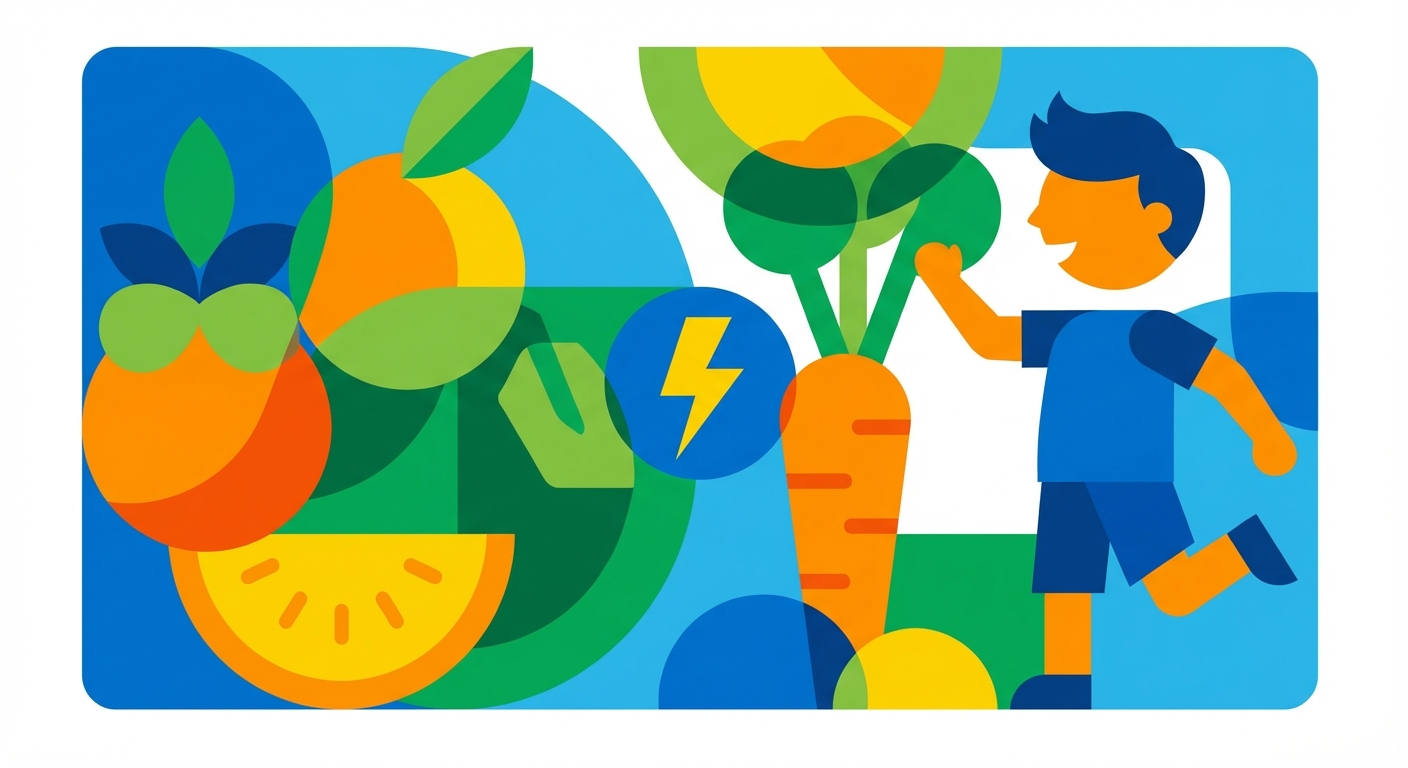
Learning can be a passive experience, but AI transforms it into an active, engaging journey. Bitewize's AI courses are designed to be interactive, using dynamic content, gamified elements, and responsive interfaces. AI can analyze engagement levels and adjust content presentation or challenge types to maintain interest. The feeling of progression through a personalized education path, combined with immediate success metrics, provides powerful intrinsic motivation, turning learning from a chore into a rewarding activity. Consider how a child learning about nutrition in [Super Kids' Fuel: Eating for Energy & Fun!](/learn/super-kids-fuel-eating-for-energy-fun) would be more engaged with an AI-generated quiz that turns learning about healthy snacks into a fun game, complete with instant feedback and virtual rewards.
6. Data-Driven Insights for Continuous Improvement
One of the most powerful aspects of AI in education is its ability to collect and analyze vast amounts of data on learning efficacy. Bitewize's platform continuously gathers insights into how learners interact with content, which explanations are most effective, where common pitfalls occur, and how different learning strategies impact outcomes. This data not only allows for real-time adaptation for individual learners but also informs the continuous improvement of the AI's content generation and pedagogical models. This iterative refinement process ensures that our AI courses are always evolving to be more effective, embodying the best practices of cognitive science learning.
7. Optimizing Microlearning with AI Precision
Bitewize is built on the microlearning philosophy: breaking down knowledge into bite-sized, manageable chunks. AI takes this philosophy to the next level. The AI can determine the ideal length and complexity of each 'micro-lesson,' ensuring it's comprehensive enough to convey a concept but short enough to maintain focus and minimize cognitive load. This precision in content segmentation, combined with AI's ability to sequence these chunks into a coherent personalized education path, makes microlearning incredibly powerful and efficient for effective learning. For more on the power of microlearning, check out our article [What is Microlearning? A Complete Guide to Bite-Sized Education](/blog/what-is-microlearning-complete-guide).
Bitewize: Where Cognitive Science Meets Cutting-Edge AI
At Bitewize, we don't just use AI; we engineer it to specifically leverage the proven principles of the science of learning. Our platform is designed from the ground up to be your most effective learning companion:
AI Course Generation: Our core strength lies in our ability to generate highly specialized and personalized education courses on almost any topic. The AI crafts content that is not only accurate but also structured in a way that aligns with how your brain best absorbs and retains information.
Intelligent Flashcards: Forget generic flashcards. Our AI creates customized flashcard decks that incorporate spaced repetition algorithms, ensuring you review concepts exactly when you need to, optimizing long-term memory for true cognitive science learning.
Adaptive Quizzes: Beyond simple multiple-choice, our AI generates quizzes that adapt in difficulty and question type based on your performance. This continuous assessment acts as powerful active recall practice, pinpointing areas for improvement and reinforcing knowledge efficiently.
Engaging Audio Lessons: For those who learn best by listening, or for busy schedules, our AI can convert lessons into clear, concise audio formats, adding another layer to our personalized education offering.
Our commitment to the science of learning means we're constantly refining our AI models to integrate the latest research in cognitive psychology and neuroscience. This ensures that every Bitewize course, whether it's on healthy eating for kids or navigating the cosmos, is not just informative but also scientifically optimized for retention and understanding.
The Future of Effective Learning is Here
As we look towards the future, the role of AI in education will only continue to grow. As we explored in [AI in Education 2025: Revolutionizing How We Learn](/blog/ai-revolutionizing-education-2025), artificial intelligence isn't just a tool; it's a partner in the learning process, empowering individuals to take control of their educational journey like never before. The synergy between the proven science of learning and the adaptive power of AI creates an unparalleled opportunity for anyone seeking truly effective learning experiences.
Bitewize is at the forefront of this revolution. We believe that by understanding how you learn, we can help you learn better. Our AI courses are meticulously crafted to provide a learning experience that is:
Individualized: Adapting to your unique needs and pace.
Efficient: Optimizing review and retention through intelligent algorithms.
Engaging: Keeping you motivated with interactive content and immediate feedback.
Empowering: Giving you insights into your own learning process.
No more struggling with generic content. No more forgetting what you've learned moments after studying. With Bitewize, you engage in personalized education that works with your brain, not against it.
Ready to experience the power of learning optimized by science and AI? Discover how Bitewize can transform your learning journey. From mastering complex subjects to brushing up on new skills, our AI-generated courses are designed for you.
Start your journey to smarter, more effective learning today!
[Explore Bitewize AI Courses & Unlock Your Potential!](/)
Frequently Asked Questions
What is the 'science of learning'?
The 'science of learning' is an interdisciplinary field that uses research from cognitive psychology, neuroscience, and education to understand how people learn best. It identifies principles like active recall, spaced repetition, and elaboration to design more effective educational experiences.
How do AI courses improve learning effectiveness?
AI courses improve learning effectiveness by providing personalized education paths, adapting content difficulty in real-time, offering instant and specific feedback, optimizing review schedules (spaced repetition), facilitating active recall through dynamic quizzes, and managing cognitive load effectively, all rooted in cognitive science learning principles.
What is personalized education?
Personalized education is an approach where the learning experience is tailored to an individual student's needs, pace, preferences, and prior knowledge. AI plays a crucial role in creating these adaptive paths, ensuring content is always relevant and appropriately challenging for each learner.
How does Bitewize use the science of learning?
Bitewize leverages the science of learning by using AI to generate courses that incorporate active recall (quizzes, flashcards), spaced repetition (intelligent scheduling), adaptive content delivery to manage cognitive load, and personalized feedback. This ensures an engaging and effective learning experience designed for optimal retention.
Are AI courses suitable for all ages and subjects?
Yes, AI courses can be highly effective across various ages and subjects. Their adaptive and personalized nature makes them suitable for everything from elementary school topics (like 'Super Kids' Fuel') to high school exam prep ('Level Up Your Grades') and complex adult learning ('Cosmic Crossroads'), by tailoring the content and delivery to the specific learner.